Cobra Jazz: The Soft Machine Re-Machined
Leave a commentApril 22, 2026 by tsk2001
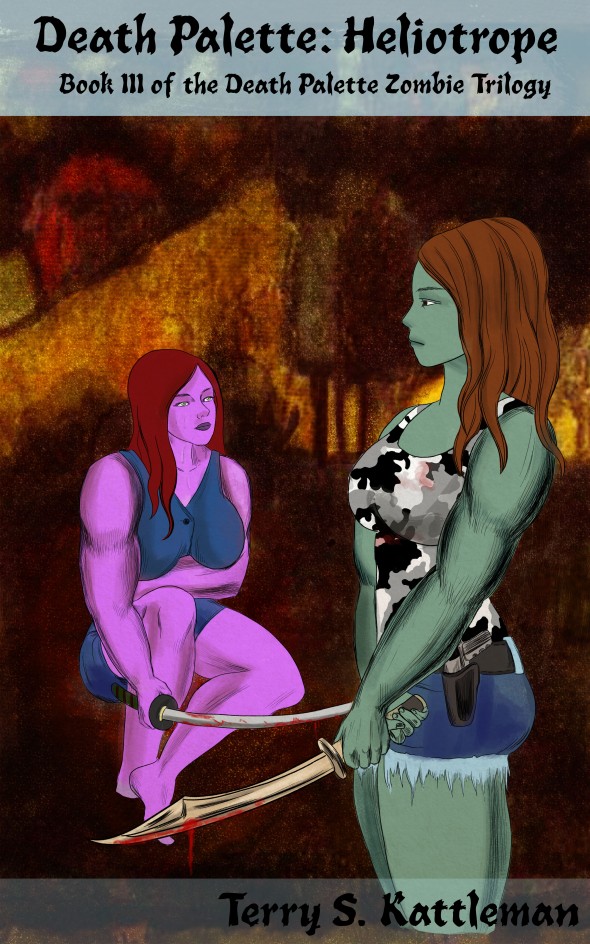
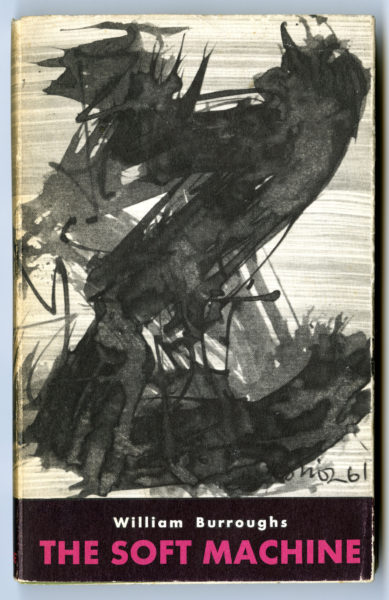
I was poking around in an old project, The Book of Haiku Revelation, and I discovered two poetic assemblages made from Burroughs’ The Soft Machine. Burroughs, along with Duchamp and Gertrude Stein, among others, is an overarching artistic presence in the Death Palette series, so, methinks, why not give his haiku assemblages a whirl through BTR.
First, the haiku that worked so well in retranslation the sibyl has clearly set up shop on the corner of 103rd and Broadway:
repatriated
by grey strata of subways—
terminal postcard
rotting in ozone
chrysalis—sun stuttering
in all-night purple
cafeterias—
smell of cobra jazz covered
in iron heart of
goof ball sleep—rasp of
green slimy iridescent
shit rubbing on flesh
somewhere in the cold
mouth of heavy knife time—boy
torch moving, rusty
lamp, tongue terms—round disk
of morphine, script gristle in
rooming house bathtub—
shrinking bread over
lagoon of old saliva—
village of built racks
The conceit will be (William Randolph) HEARST, one of Burroughs’ major bugaboos in what might be called his Control Theory of Biopolitics. The somewhat randomly chosen languages are Hindi, Estonian, Afrikaans, Russian, Sicilian, and Tok Pisin. No, I never heard of Tok Pisin before either, nor do I recall previously seeing it in Bing Translate. Is BT getting more sophisticated? We can only pray it’s as retrograde as ever. Nor is Tok Pisin some digital pidgin dialect used by a TikTok flock. It is, according to Wikipedia, “an English creole language spoken throughout Papua New Guinea. It is an official language of Papua New Guinea and the most widely used language in the country.” There’s no evidence, according to Chat, that WSB ever visited or wrote about PNG, but its rich anthropological legacy is right up his alley, so to speak. So to the poem, which loses its haiku structure in translation, of course, and has been volitionally lineated, but with all the Dickensonian dashliness that BTR inserted, preserved.
A little resting place of the community before
and a division in the room that breaks the ozone —
the sun calls out all night in the purple cafe —
the root of jazz in the center of the eye,
sleep is easy and spreading — green, dirty, damaged like a book,
crossing places inside the body in the cold and pockets of the mouth
a child laughs with light, wild light, local language begins —
this collection of cold places on the bench in Grisel’s house —
big comrades of battle with small brother — the town had worked on the slaves
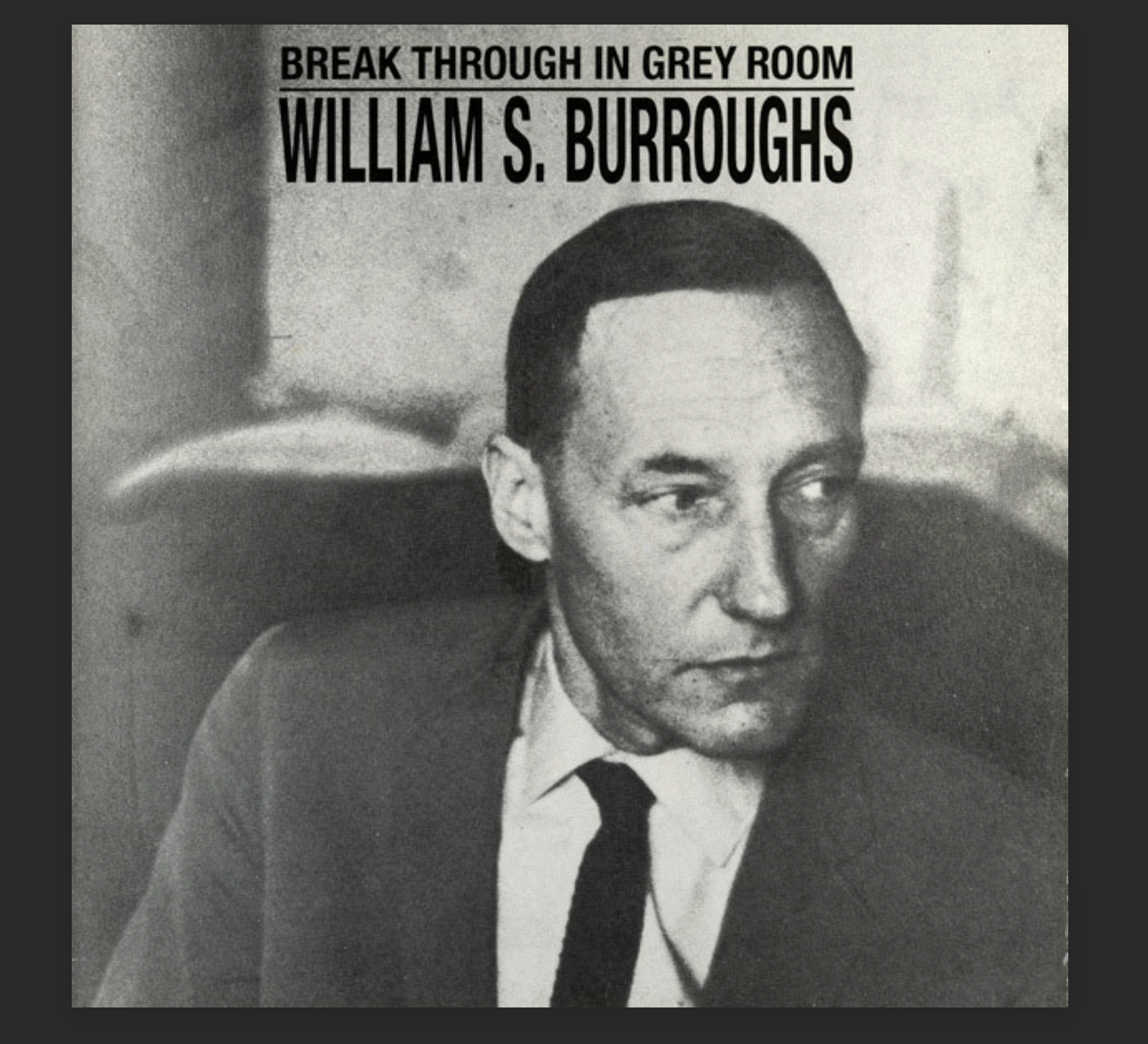
When BTR spits out a name that wasn’t in the original text, you know things are cookin’. And when it’s a name of such ringing significance, we gotta be in the presence of the Phrygian Sibyl, not to be confused with the Augean Stables, though this is on the same level of serious shit. According to a site called Name Discoveries, Grisel “is derived from the Old Norse name Griselda. It is a feminine name that means ‘gray battle’ or ‘gray warrior.’ The name carries connotations of strength, resilience, and determination, reflecting a person who is capable of facing challenges with grace and courage.” Pure essence of the Death Palette series (“big comrades of battle,” indeed), whose first color-coded book is Grisaille. Moreover, there’s a piquant suggestion of WSB’s Break Through in Grey Room (“the room that breaks the ozone”) as well as The Wild Boys (“a child laughs with light, wild light”), and wait, there’s more:
the sun calls out all night in the purple cafe —
the root of jazz in the center of the eye,
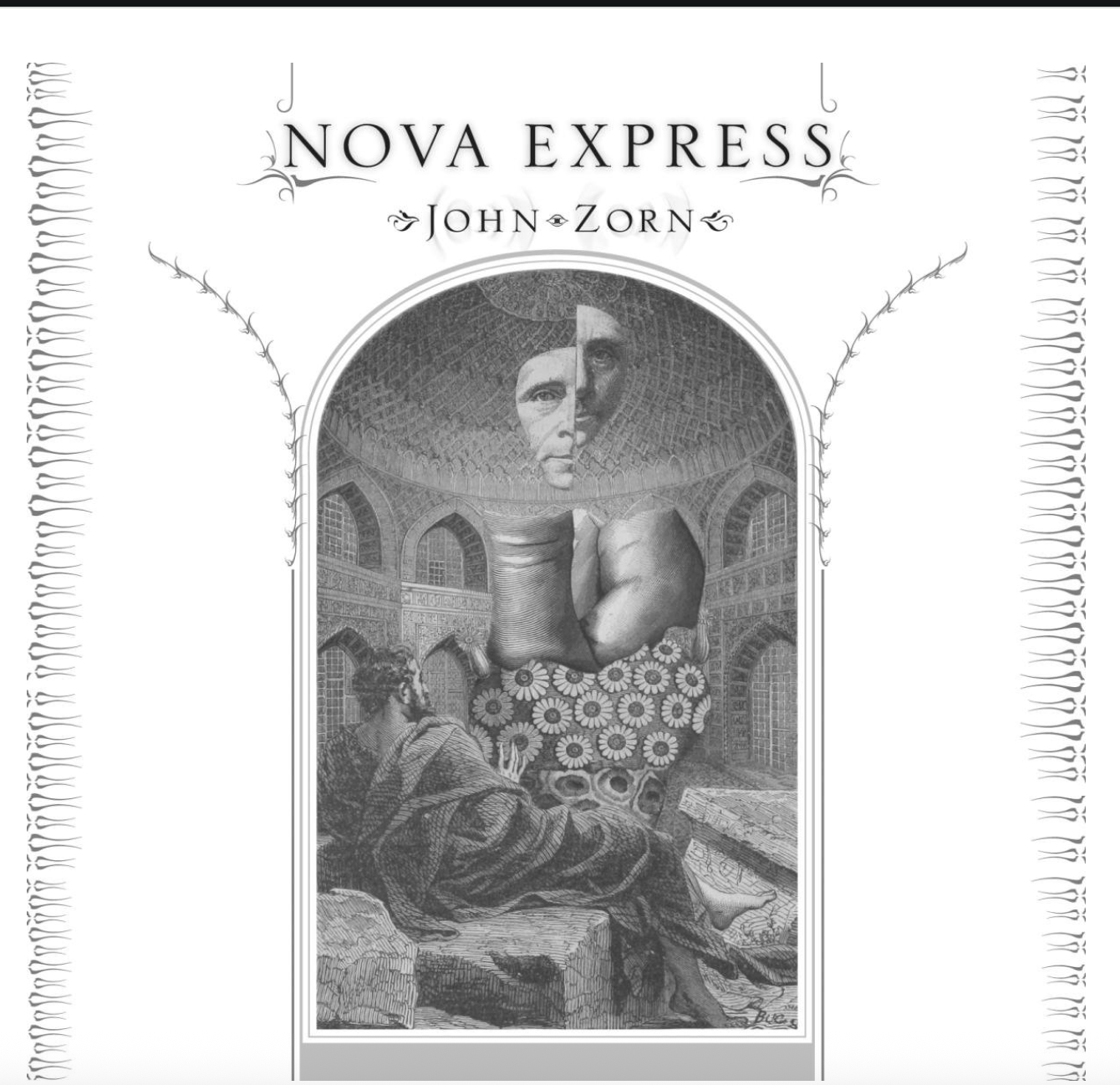
This is so Sun Ra you don’t have to travel the spaceways to see it, and Sun is the ultimate “Here to Go” avant-jazzer. (“Cobra jazz” in the assemblage, it should be noted, speaks trippingly of John Zorn, who has five albums devoted to WSB themes.)
We might add that “working on the slaves” is pure Control, and “small brother” contrasts with Orwell’s Big Brother, or as Gem notes, “The ‘Big Brother’ (the State) needs ‘Small Brothers’ (the citizens) to act as local agents of the virus.” But . . .
. . . unfortunately the other Soft Machine assemblage, run through the very same HEARST routine, didn’t light the diviner’s fire with quite the same flame. First, the assemblage:
obsidian pink
of the fish city—spectral
palaces of cold
blue fluid heavy
as word dust stacked like lust in
shuttered silence—we
came out of the mud
in blue image forever
trailing patterns of
demagnetized glooms
from carnival rooms splintered
in rotting orgasm—
we all live in the
fish city—dead postcard of
a place forgotten—
muttering burlap
music, addicts waiting in
the vines—blue addicts
in the attic of
crystal birdcalls—the city
from when we had names
And now the BTR output, which was oddly amenable to being fashioned into an almost perfect 5-7-5 haiku sequence.
A town stands tall like
obsidian with red lights —
like castles that are cold
and bright, like water
that has powder, like the desire
for money that is
on the side of tightness —
we arrive on soil and lift
a design of rooms
that die at all times
in a blueprint that is broken
into great joy —
everyone is in
the town of peace — paper
that is lost in the
place dies — music is
fresh in the wind, things are
waiting in the grass —
the invitation
of crystal blue appears — town
when our names are in this place
Is this about the Beat Hotel in Paris? NYC and the Columbia hub, the town where the Beat Triumvirate first met? The invitation of crystal blue appears but has yet to be decoded. We’re muttering burlap music in the attic of Zornian birdcalls.